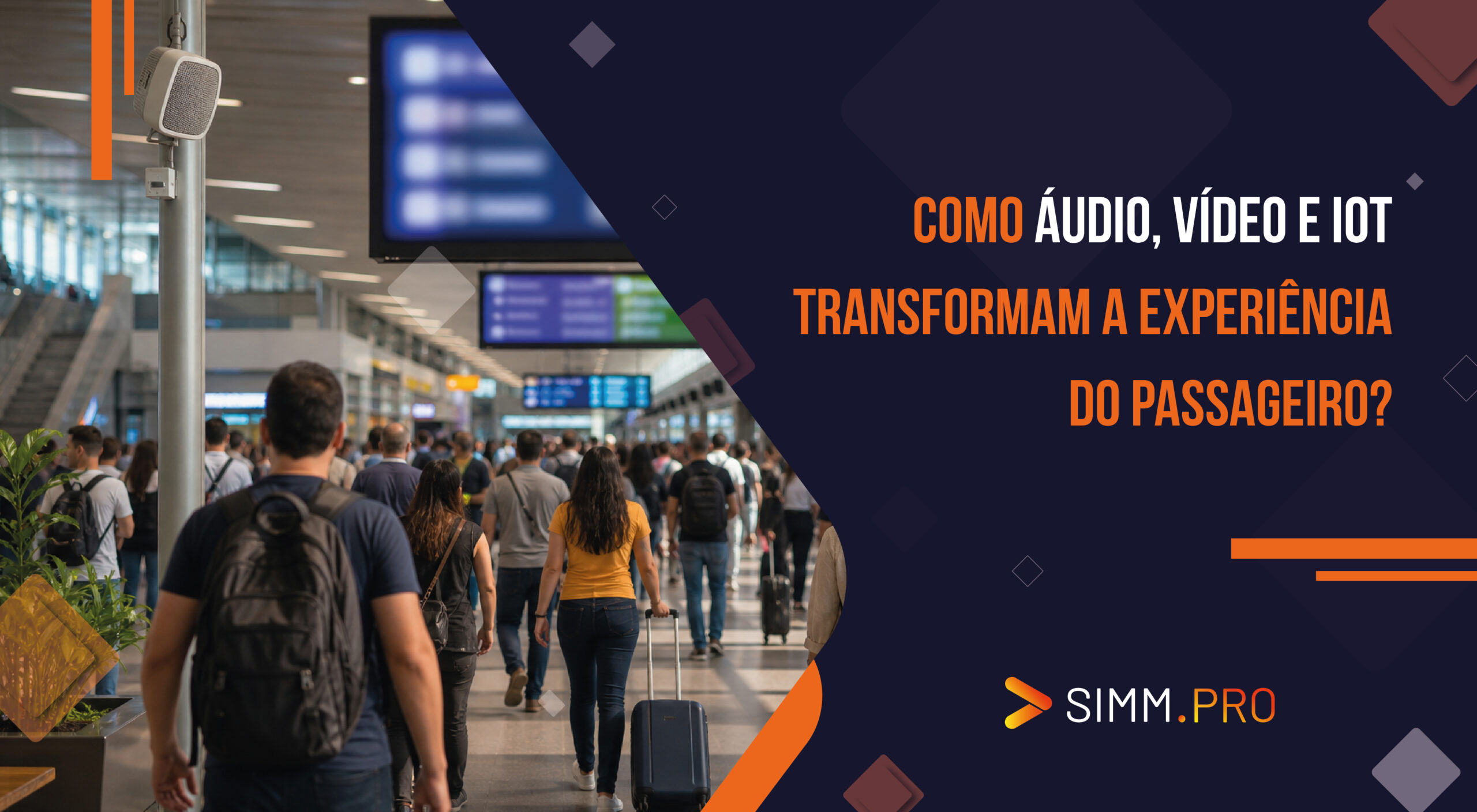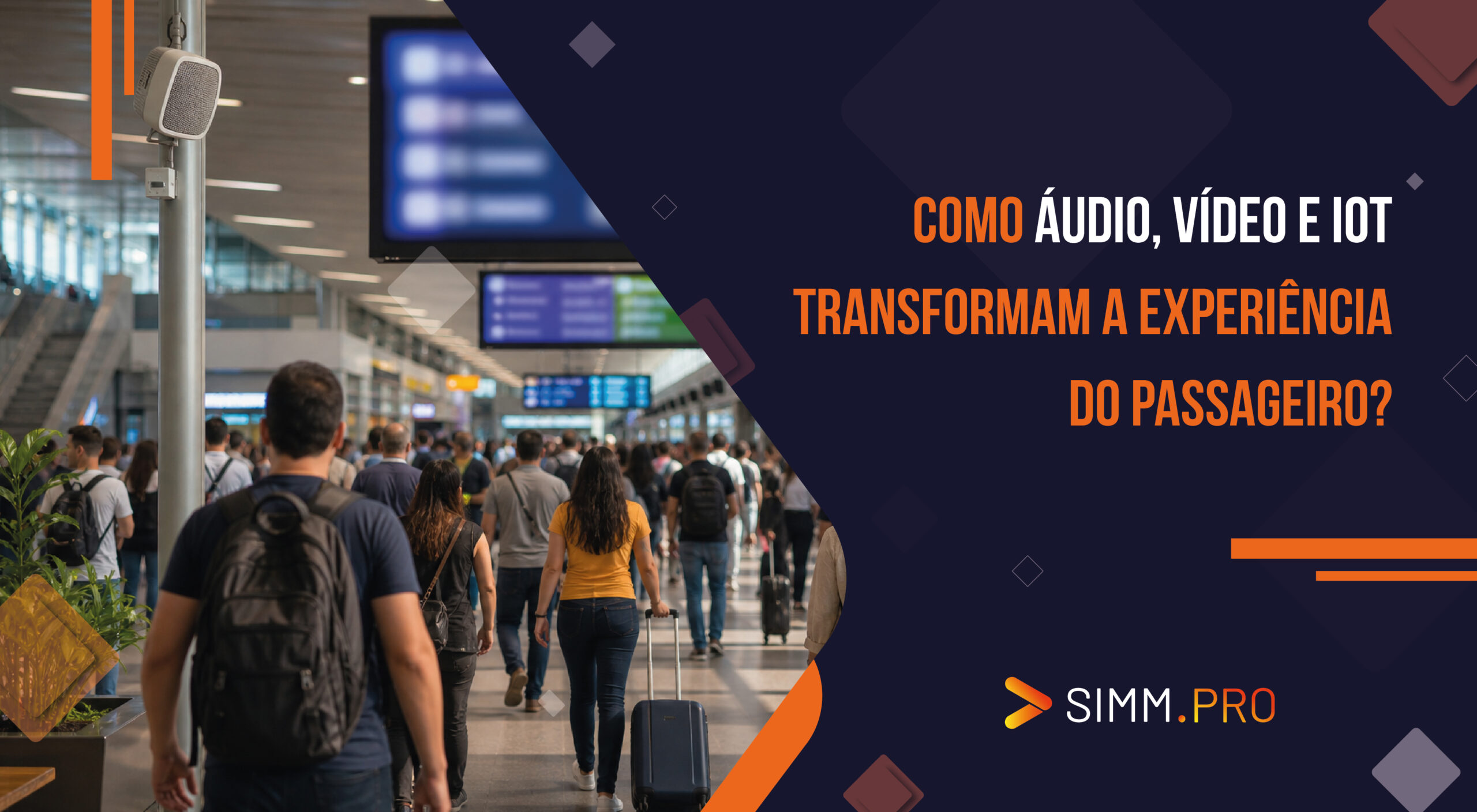
In environments with high foot traffic, conveying information quickly and clearly is one of the main operational challenges. Airports, subway stations, bus terminals, convention centers, and even large corporate enterprises rely on efficient communication to guide people, enhance safety, and improve user experience.
It is in this context that sound reinforcement plays a strategic role.
Although many people associate sound reinforcement only with the playback of announcements or music, its role goes far beyond that. Today, sound reinforcement systems are part of intelligent communication solutions and are essential to ensure that important information reaches the audience at the right time.
In this article, you will understand what sound reinforcement is, how it works, and why this technology has become indispensable in modern operations.
What is sound reinforcement?
Sound reinforcement is the set of technologies responsible for capturing, processing, and distributing audio in a given environment. Its main objective is to ensure that messages, announcements, and information are reproduced clearly, uniformly, and understandably for all people present in the location.
In practice, a sound reinforcement system consists of different elements that work together, such as:
- Audio sources
- Microphones
- Amplifiers
- Speakers
- Control and management systems
Depending on the operational need, sound reinforcement can be used for live communication, playback of automated messages, institutional announcements, security alerts, and public guidance.
More than simply emitting sound, sound reinforcement aims to ensure that the information is understood by the user.
How does a sound reinforcement system work?
A sound reinforcement system works through the intelligent distribution of audio in different areas of an operation.
Imagine an airport. Passengers need to receive information about boarding, gate changes, security announcements, and general guidance. Not all of these messages need to be played throughout the terminal at the same time.
Therefore, modern systems allow for the creation of different audio zones. Each area receives only the information that is relevant to that context.
This management makes communication more organized, avoids excessive announcements, and significantly improves the experience of people in the environment.
Additionally, current technologies allow automated messages and live broadcasts to coexist in an integrated manner, providing more flexibility for operators.
Why is sound reinforcement so important?
In large-scale operations, communication needs to happen in real-time. Delayed or misunderstood information can lead to confusion, crowding, and even safety risks.
Sound reinforcement directly contributes to:
- Better guidance for people: Clear messages help passengers and users quickly understand procedures, operational changes, and directions.
- Faster communication: Last-minute changes can be communicated immediately to thousands of people at once.
- Greater operational safety: In emergency situations, sound reinforcement allows for the rapid and organized transmission of guidance, reducing risks and facilitating decision-making for the public.
- Improved user experience: Efficient communication conveys a sense of organization, trust, and care for the people using the environment.
Sound reinforcement and intelligent communication
With digital transformation, sound reinforcement has ceased to be an isolated system and has become part of integrated communication ecosystems.
Today, it is increasingly common to find solutions that combine:
- Audio
- Video
- Text
- IoT sensors
- Passenger information systems
This integration allows different channels to work in a synchronized manner.
For example, when an operational change occurs at a subway station, the system can play a sound announcement, update digital monitors, and display messages on electronic panels simultaneously.
This communication model reduces failures, increases operational efficiency, and makes the experience much more intuitive for the user.
The future of sound reinforcement
Cities are becoming increasingly connected and smart. In this scenario, sound reinforcement takes on an even more strategic role.
New communication solutions already allow for:
- Centralized audio management
- Automated message scheduling
- Integration with monitoring platforms
- Real-time communication
- Zone segmentation
- Integration with IoT devices
These features transform sound reinforcement into a tool that supports operations, safety, and the experience of people.
More than just playing announcements, modern systems help organizations respond quickly to changes in the environment and provide more efficient and humanized communication.
Sound reinforcement as a strategy for more efficient operations
Understanding what sound reinforcement is means understanding the importance of communication in increasingly dynamic and connected environments.
When well implemented, sound reinforcement allows for the clear, organized, and strategic transmission of information, contributing to more efficient operations and a more positive user experience.
By integrating audio, video, text, and intelligent technologies, modern communication solutions transform the way companies, airports, stations, and terminals interact with people and manage their operations.
If your operation seeks more efficiency, innovation, and a better experience for passengers, how about getting a quote from our specialized team?